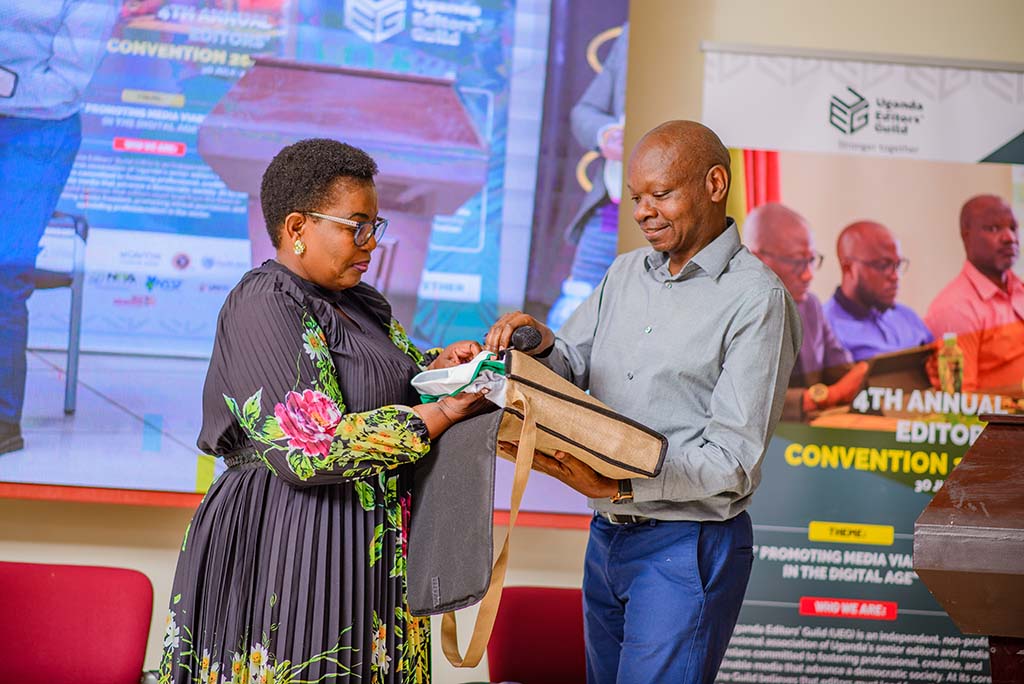
From Phone Interviews to the Field: How Insurance Gave Esther the Confidence to Report a Wildlife Invasion
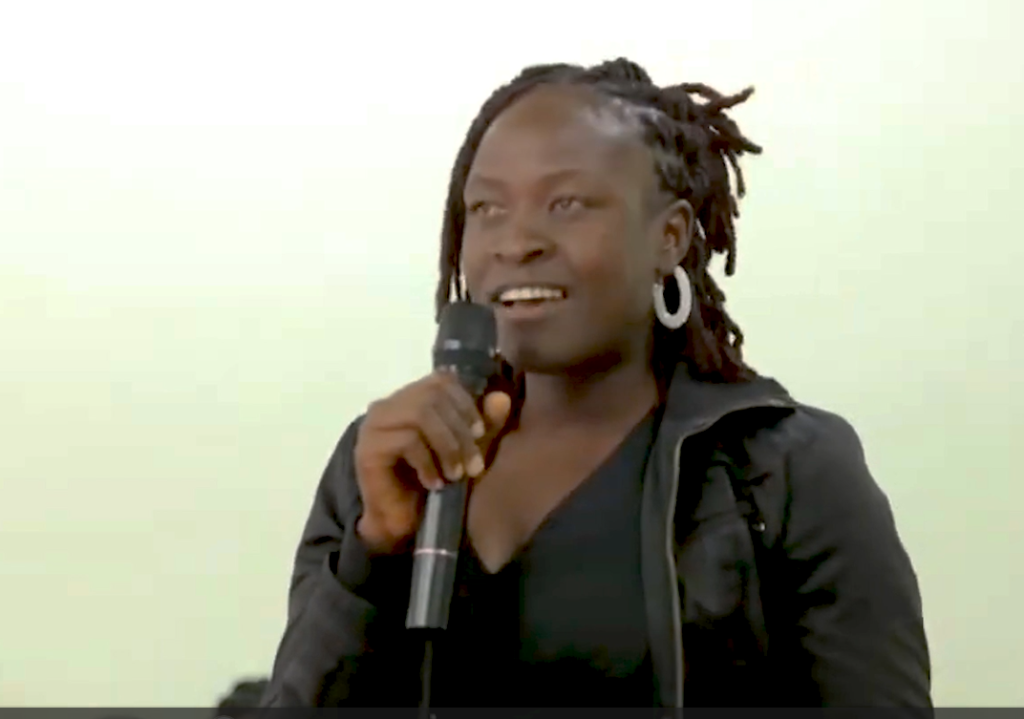
When wild animals invaded a community, Esther Akanyo did not want to report the story entirely by telephone. The assurance that she could access medical care if something happened gave her the confidence to travel to the affected area and witness the situation firsthand.
When reports emerged that wild animals had invaded a community, Esther faced a decision familiar to journalists covering potentially dangerous assignments.
She could remain at a distance and conduct interviews by telephone, or she could travel to the affected community, speak to residents and see the situation for herself.
Field reporting would produce a richer and more accurate account, but it also carried risks. An encounter with wildlife, an accident on the journey or another medical emergency could leave her facing treatment costs without adequate support.
For Esther, the Uganda Editors’ Guild insurance scheme helped change that calculation.
Speaking at the 4th Annual Editors’ Convention, she said the knowledge that she could access medical care if necessary gave her greater confidence to undertake the assignment in person rather than relying entirely on telephone interviews.
Her testimony showed that insurance can influence not only a journalist’s welfare but also the quality of journalism audiences receive.
More than health insurance
Esther described the initiative as “more than simply a health insurance scheme.”
For her, it created a sense of security that enabled her to approach field assignments with greater confidence. The cover did not remove the risks associated with reporting, but it provided reassurance that she would not face those risks entirely alone.
Journalists are regularly sent into uncertain environments. They report from areas affected by floods, disease outbreaks, road accidents, fires, civil unrest, crime and encounters between communities and wildlife.
The work requires them to get close enough to observe, ask questions and verify what has happened. Yet many journalists—particularly freelancers and regional reporters—undertake these assignments without medical insurance.
The Uganda Editors’ Guild introduced its insurance scheme in 2025 after recognising this vulnerability.
Guild President Daniel Kalinaki explained that many freelance journalists lack insurance for both their health and the equipment they use in the field, including cameras and other gadgets.
At the time of the Convention, 35 journalists across Uganda were benefiting from the scheme.
Better welfare can produce better journalism
Esther’s wildlife-invasion assignment illustrates the connection between journalists’ welfare and the quality of their reporting.
Telephone interviews are valuable and sometimes necessary, but they cannot always replace direct observation. A journalist who reaches the affected community can examine the environment, identify details that sources may overlook, speak to a wider range of people and test competing accounts.
Being present can therefore improve accuracy, context and storytelling.
When journalists avoid assignments because they fear that an accident or illness could leave them with unaffordable medical expenses, audiences may receive thinner and less complete reporting.
Insurance can help reduce that fear. It gives journalists a greater sense that their profession values their lives and recognises the risks they take to inform the public.
This does not mean reporters should take unnecessary risks simply because they are insured. Newsrooms still have a responsibility to conduct risk assessments, provide protective equipment and avoid sending journalists into situations for which they are not prepared.
Insurance should complement rather than replace broader newsroom safety measures.
Protection for journalists beyond Kampala
Esther appealed for the scheme to be expanded beyond Uganda so that journalists in other countries could also benefit.
Her call reflects the shared challenges facing journalists across the region. Many reporters work without comprehensive medical protection even as they cover conflict, disasters, disease outbreaks, elections and other high-risk assignments.
Within Uganda, expansion is also necessary. The 35 beneficiaries represent an important beginning, but many freelance, community and regional journalists remain outside the scheme.
Kalinaki told Convention participants that enrolling more journalists could reduce premium costs and improve sustainability.
The commitment by Muhereza Kyamutetera to pay premiums for 10 additional journalists offered a practical example of how senior media professionals and industry partners can support the initiative.
Media organisations can also contribute by including freelancers and correspondents in institutional welfare arrangements instead of limiting protection to permanent employees.
Welfare is a newsroom responsibility
Esther’s experience challenges the media industry to reconsider how it understands journalist safety.
Safety is not only about responding after a journalist has been assaulted, arrested or injured. It also involves creating systems that allow media practitioners to seek medical attention and recover without being driven into financial distress.
Editors decide whether journalists are sent into the field. Media owners determine what welfare support is available. Professional associations can use their collective strength to negotiate affordable protection.
All these actors therefore have a role in ensuring that journalists do not have to choose between producing a strong story and protecting themselves from financial ruin.
For Esther, insurance provided the confidence to move beyond telephone interviews and report directly from the community affected by the wildlife invasion.
Her story shows that when journalists feel protected, they can work with greater confidence. When they can reach the scene, verify events and witness people’s experiences firsthand, the public receives stronger journalism.
Insurance may begin as a healthcare intervention, but its impact can travel much further—into the field, into the story and ultimately to the audiences that depend on journalists to tell them what is happening.
Find out more on the scheme.