A Safety Net for Freelancers: How Insurance is Giving Rosemary Anena Confidence to Keep Reporting
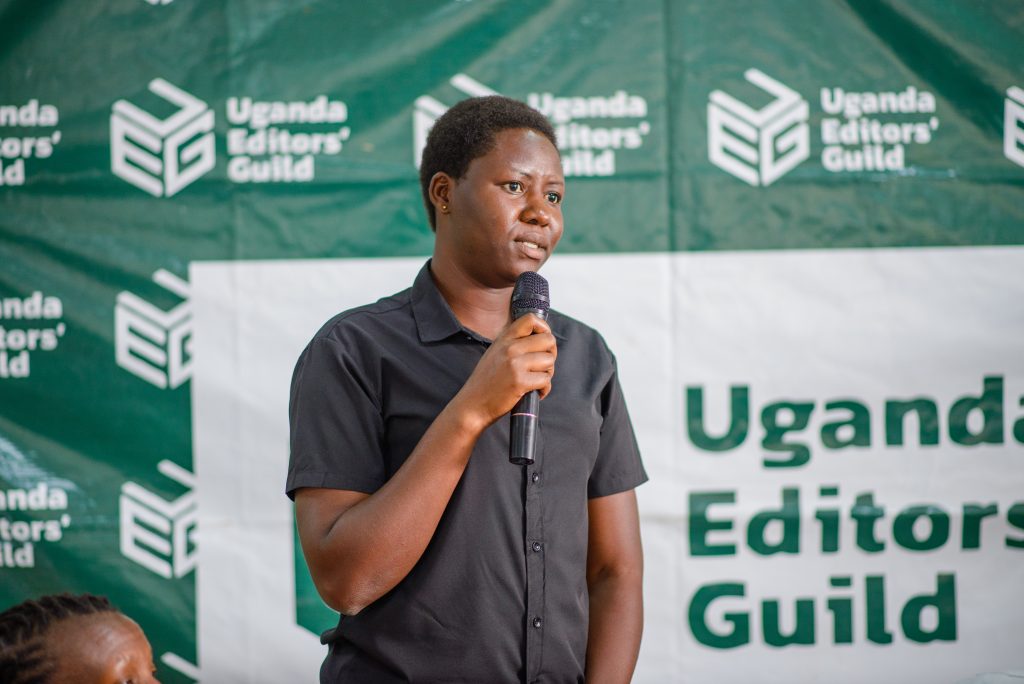
For freelance journalists who work without employment benefits or reliable medical cover, illness can interrupt both their health and their livelihood. Rosemary Anena says the Uganda Editors’ Guild insurance scheme is beginning to change that reality.
For many freelance journalists in Uganda, falling sick presents more than a health emergency. It can mean losing income, abandoning assignments and facing medical expenses without the protection normally associated with formal employment.
Rosemary Anena understands this uncertainty.
As one of the beneficiaries of the Uganda Editors’ Guild insurance scheme, Anena says the cover has reduced her anxiety about what would happen if she required urgent medical attention.
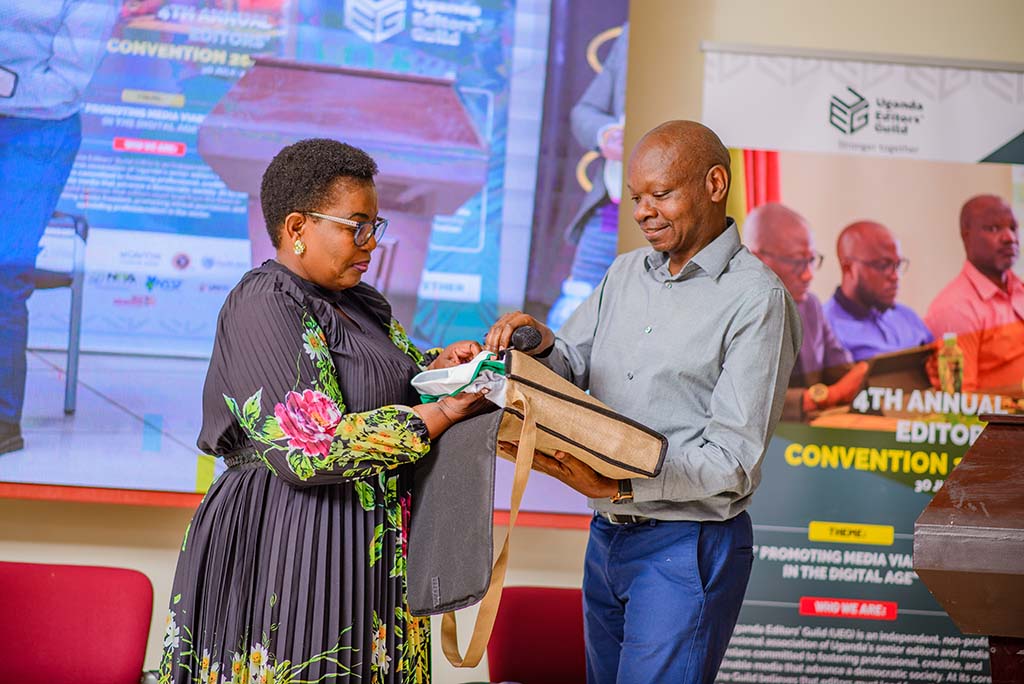
Her testimony at the 4th Annual Editors’ Convention placed a human face on one of the most persistent challenges facing Uganda’s media industry: journalists are expected to report from difficult and sometimes dangerous environments, yet many work without adequate welfare protection.
Anena said the insurance scheme had supported her work by providing reassurance that she would be cared for in the event of a medical emergency. Knowing that she could seek treatment without immediately confronting the full financial cost had given her greater confidence to continue working.
She described the scheme as an “investment in journalists”—one that helps media practitioners remain healthy, continue reporting and contribute to national development.
Responding to freelancers’ vulnerability
The Uganda Editors’ Guild introduced the insurance scheme in 2025 after recognising the vulnerability of freelance journalists and female journalists, many of whom do not have employer-provided health insurance.
Freelancers frequently work under short-term or informal arrangements. They may be paid per story or assignment and often lack access to medical insurance, paid sick leave, pensions and other employment benefits.
At the same time, they are expected to travel, report from remote communities and cover emergencies, public unrest, accidents and other potentially hazardous events.
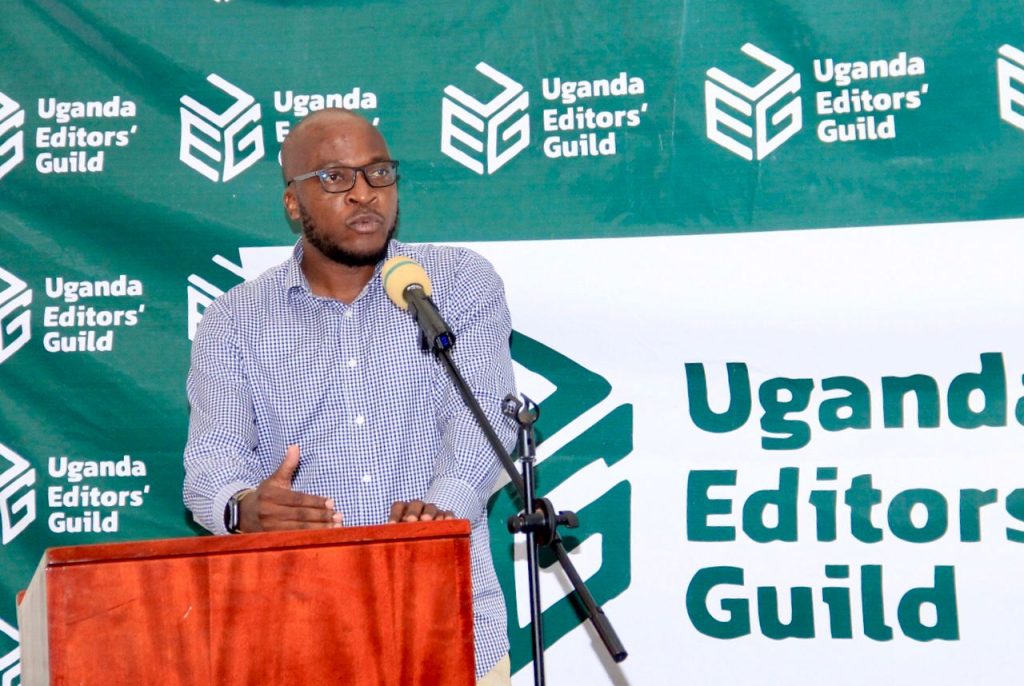
The Guild’s President, Daniel Kalinaki, told the Convention that the initiative was introduced to respond to some of these welfare gaps. It recognised that many journalists lack adequate protection not only for their health but also for the equipment they rely on, including cameras and other professional gadgets.
Mr. Kalinaki told participants that 35 journalists across the country were benefiting from the scheme. For Anena, this demonstrated that the Guild was beginning to recognise and respond to the realities faced by freelancers.
Health and professional continuity
For a journalist whose income depends on the ability to work, illness can have a compounding effect. Medical treatment costs money, but time away from assignments can also mean lost income.
Insurance can reduce part of that burden by helping journalists obtain treatment before their conditions worsen.
Anena’s experience shows that the value of insurance is not measured only when a beneficiary is admitted to hospital. It can also be found in the confidence that comes from knowing that support is available if something goes wrong.
That reassurance can help journalists remain focused on their work instead of constantly worrying about how they would finance an unexpected medical emergency.
The scheme therefore has implications for the sustainability of journalism.
The need to expand the scheme
Although 35 journalists were reportedly covered, the number represents only a small proportion of media practitioners working across Uganda.
Expanding the initiative would be particularly important for freelancers and journalists working outside major urban centres, where media organisations may have fewer resources and access to healthcare can be more difficult according to Mr. Kalinaki.
Kalinaki explained that increasing the number of journalists enrolled could help lower the cost of premiums and make the scheme more sustainable.
The Convention also welcomed a commitment by media entrepreneur Muhereza Kyamutetera to pay insurance premiums for 10 additional journalists. The pledge demonstrated how editors, media owners and other industry stakeholders can contribute to expanding welfare protection.
For journalists like Anena, the scheme represents something that freelance journalists rarely enjoy: the assurance that their profession recognises their welfare needs.
Her testimony is also a reminder that strengthening journalism requires more than training reporters and defending press freedom. It means ensuring that the people doing the work can seek medical care, recover from illness and return to their assignments without being pushed into financial crisis.
For Uganda’s freelance journalists, insurance is not simply an employment benefit. It is a professional lifeline.
Read also: https://www.ugandaeditorsguild.org/news/ueg-launches-journalist-insurance-scheme/