When Illness Interrupts the Assignment: How Insurance Helped a Koboko Journalist Access Treatment
After ulcers led to his admission to Mengo Hospital, Rashul Adidi, a journalist attached to Nation Media Group in Koboko, experienced the practical value of the Uganda Editors’ Guild insurance scheme.
When Rashul Adidi fell ill with ulcers and was admitted to Mengo Hospital, he was confronted with a reality familiar to many journalists: sickness does not wait for a stable salary, a permanent contract or a convenient moment in the news cycle.
For journalists working outside Uganda’s major urban centres, an illness that requires hospitalisation can bring significant medical, travel and accommodation costs. Without insurance, those costs can quickly become overwhelming.
Rashul, a journalist attached to Nation Media Group in Koboko, was able to access the treatment he needed through the Uganda Editors’ Guild insurance scheme.
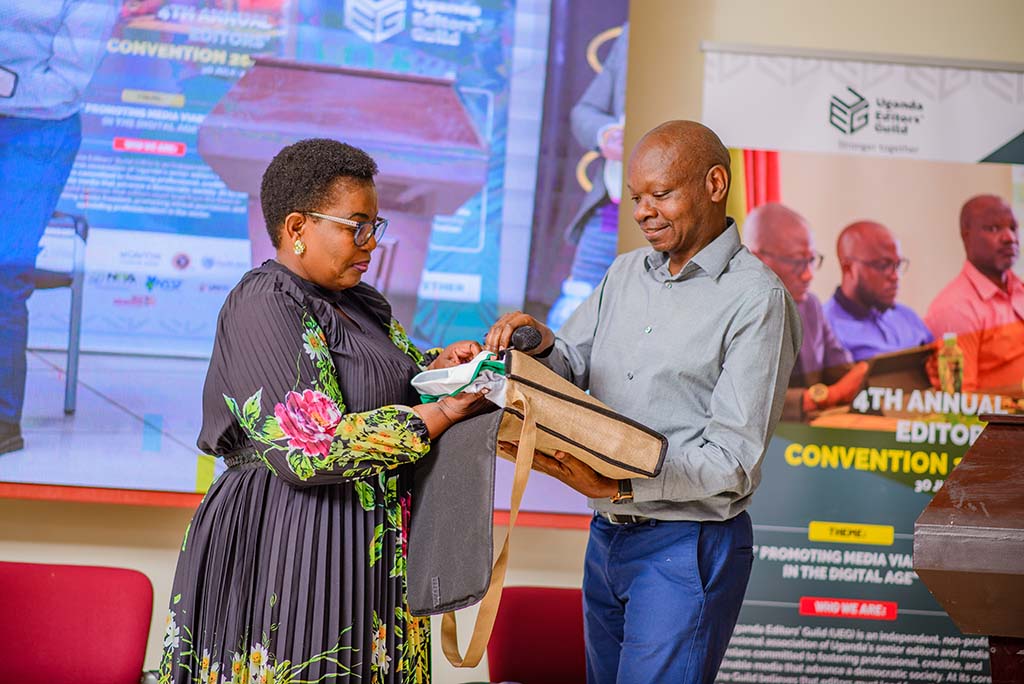
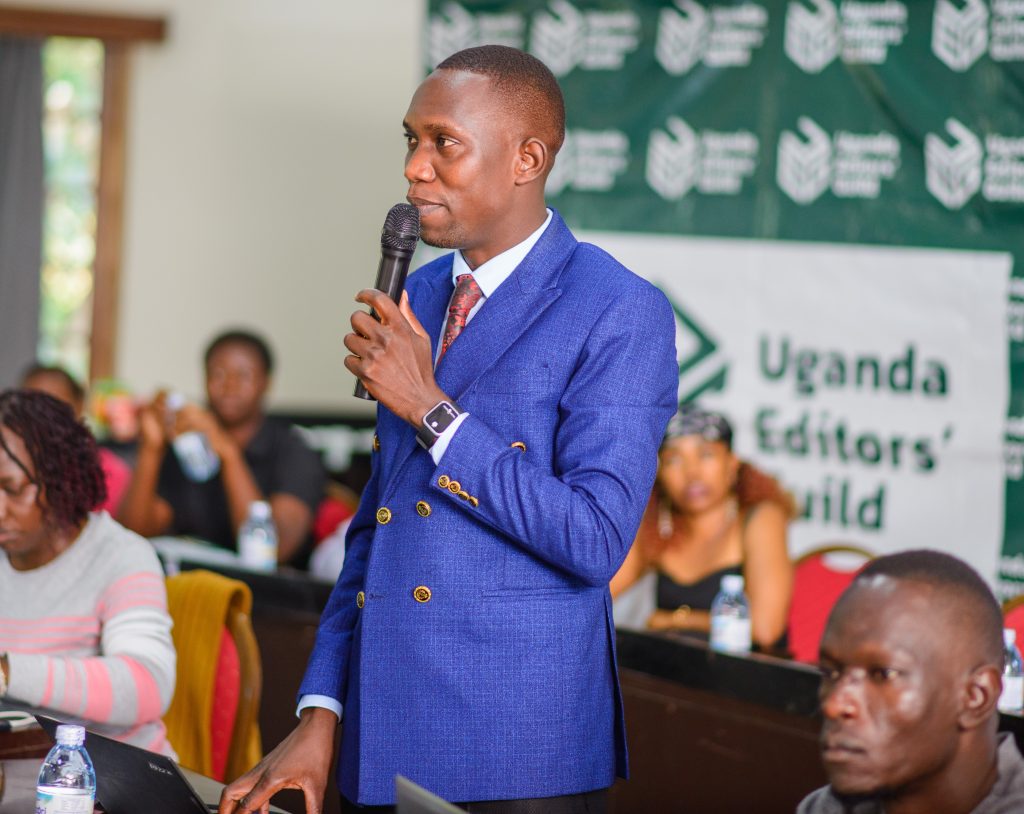
Sharing his experience during the 4th Annual Editors’ Convention, he said the cover had become particularly important because of the high cost of healthcare in Uganda.
A response to an industry welfare gap
The Uganda Editors’ Guild introduced the scheme in 2025 after recognising that many journalists particularly freelancers and women journalists work without adequate health insurance.
Journalists frequently cover difficult assignments, travel long distances and work irregular hours. Yet many media practitioners have no medical cover or paid sick leave. An unexpected illness can therefore affect their health, income and ability to continue working.
The Guild President, Mr. Daniel Kalinaki explained that the initiative was created to address journalists’ vulnerability, including the lack of protection for their health and professional equipment.
At the time of the Convention, 35 journalists across Uganda were benefiting from the scheme.
Rashil’s experience shows why such protection matters. Insurance becomes more than a policy document when a journalist requires hospital admission and treatment that might otherwise be unaffordable.
Insurance must also work outside admission wards
While appreciating the support he received, Rashul used his testimony to draw attention to gaps in service delivery.
He observed that greater attention was often given to patients who had been admitted to hospital. He therefore called for improvements in outpatient services so that beneficiaries seeking treatment without hospital admission could also receive adequate assistance.
His recommendation is significant because many health conditions can be managed through early outpatient care. If journalists cannot easily access consultations, tests or medication until their conditions become severe, the scheme may miss an important opportunity to prevent hospitalisation.
A sustainable insurance scheme should support beneficiaries across the healthcare journey from early diagnosis and routine treatment to emergency care and hospital admission.
The Uganda Editors Guild leadership committed to look into the gap and engage the service providers of the scheme to resolve it.
Expanding and sustaining the cover
Based on his experience, Rashul appealed for the scheme to cover more journalists and for its long-term sustainability to be prioritised.
Kalinaki told Convention participants that enrolling more journalists could reduce premium costs and strengthen the scheme. A larger membership base may also give the Guild greater leverage when negotiating coverage and service standards with insurance providers.
The Convention further acknowledged individual’s commitment to pay premiums for 10 journalists, providing an example of how industry leaders can help expand the initiative.
But long-term sustainability will require more than individual pledges. Media houses, journalists’ organisations, development partners and journalists themselves may need to explore a shared model for financing the scheme.
To support the scheme, follow this link.
Check out Rosemary’s story and Esther‘s story as well.